
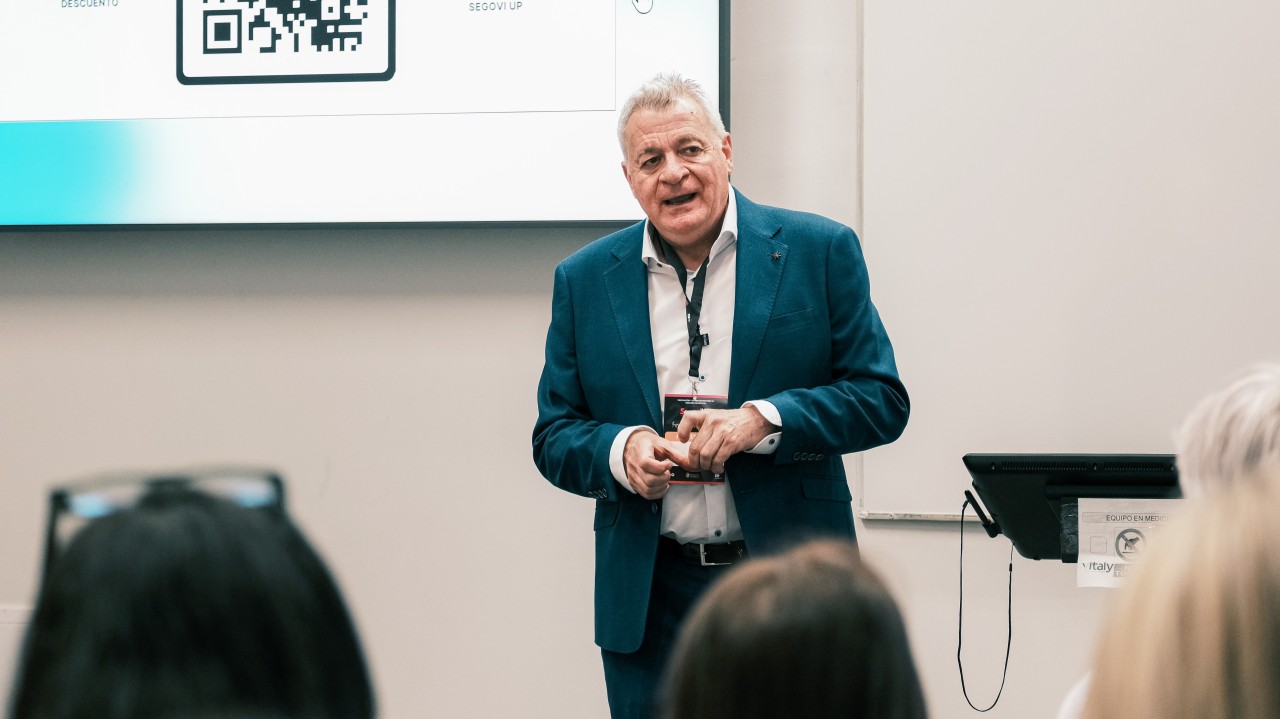
The role of the university is being reconsidered as technology changes how people learn, work and access information. In a recent reflection, Wilfredo Jurado Rodríguez, president of Saint Kolbe University, argues that higher education in 2026 must look beyond the traditional functions of teaching, research and awarding degrees.
For decades, universities have served as primary centers for knowledge, research and professional preparation. But the rapid expansion of online courses, digital platforms and artificial intelligence means that information is now available to a much wider audience than ever before.
Ethiopia Welcomes 2019 as Enkutatash Marks a New Year of Hope and Renewal
Students can learn programming, languages, marketing, business models and other skills from almost anywhere. This changing environment raises a broader question for higher education: if information is increasingly accessible outside the classroom, what distinctive value should universities provide?
Jurado argues that the answer lies partly in helping students develop the ability to interpret information, think critically and make responsible decisions. In his view, universities should not simply transmit knowledge but help students understand how to apply it in complex and changing environments.
That perspective places greater emphasis on skills that can remain valuable throughout a professional career. Critical thinking, communication, ethics, leadership, teamwork, creativity, entrepreneurship, resilience and continuous learning are among the capabilities highlighted in his reflection.
The argument comes as artificial intelligence begins to influence workplaces and education at an accelerating pace. Automation is expected to change some existing roles while creating new occupations and reshaping the skills required in many professions.
Rather than preparing students only for a specific job, Jurado suggests that universities should prepare them for professional lives in which roles and technologies may continue to evolve. Such an approach would combine academic knowledge with the ability to adapt, learn and solve unfamiliar problems.
Another important part of the discussion is the relationship between universities and the wider economy. Jurado points to stronger connections between higher education, companies, public institutions and entrepreneurs as a way of creating opportunities for students while addressing practical challenges.
Under this model, a university’s impact would extend beyond its classrooms and degree programmes. Student entrepreneurship, professional partnerships, research collaboration and international cooperation could all become part of the institution’s contribution to society.
Jurado also emphasizes leadership as an important element of university education. His vision places value not only on producing specialists but also on developing people who can communicate, cooperate, listen to different perspectives and make decisions guided by ethical considerations.
The discussion is particularly relevant for universities across Africa, where expanding access to quality higher education is increasingly connected to entrepreneurship, digital transformation, innovation and the development of skilled workforces. As African economies adopt new technologies and build emerging industries, universities have an opportunity to connect academic learning with the continent’s evolving economic and social needs.
For Jurado, the concept of a “university of the future” is therefore less important than the idea of a university that actively helps build the future. In that vision, success is measured not only through buildings, rankings or the number of qualifications awarded, but also through the opportunities created for students and the solutions generated through collaboration.
The debate ultimately returns to a fundamental purpose of education: helping people discover their capabilities and develop the knowledge and judgment needed to use them effectively.
As artificial intelligence and digital technologies continue to transform access to information, the university’s role may increasingly depend on what happens beyond the simple delivery of content — creating environments where people can question, collaborate, experiment, lead and continue learning throughout their lives.