Uganda is expanding access to vocational training for vulnerable young people following President Yoweri Kaguta Museveni’s approval of three new Presidential Industrial Skilling Hubs in Ntungamo, Bushenyi and Kalangala districts.
Two of the new facilities will be established in Ntungamo and Bushenyi in the Ankole sub-region, while the third will be constructed in Kalangala District to serve young people in the island community.
Asia’s Largest Offshore Crude Oil Processing Platform Reaches Major Construction Milestone
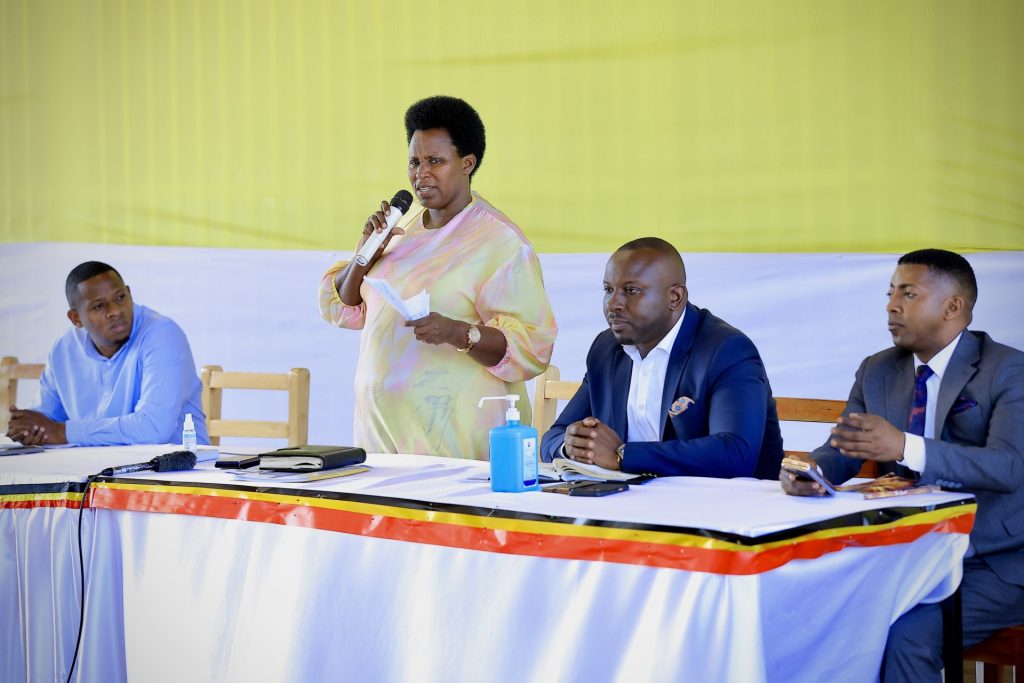
The expansion responds to concerns over growing competition for limited training places at existing Presidential Industrial Skilling Hubs. State House Comptroller Jane Barekye announced the development on August 24, 2026, during stakeholder engagements at the Ankole Zonal Presidential Industrial Skilling Hub and the Greater Masaka Zonal Presidential Industrial Skilling Hub.
The Ankole Zonal Presidential Industrial Skilling Hub currently serves 17 administrative units, including districts, municipalities and a city. This has created intense competition for available training opportunities, with some administrative units receiving an average of only 14 places per intake compared with more than 25 places allocated to some other zones.
The government expects the additional hubs to reduce pressure on existing centres and enable more young people to acquire practical skills that can improve their employment and income prospects.
In Greater Masaka, the Kalangala hub is expected to address the particular challenges faced by young people in the island district, especially the costs and logistical difficulties associated with travelling to mainland training centres. The existing Greater Masaka Zonal Presidential Industrial Skilling Hub serves 10 administrative units, which will be divided between the two centres once the Kalangala facility is established.
Construction of the three new facilities will begin once the respective local governments identify and formally provide suitable land for the projects.
The expansion will also bring new vocational training opportunities. According to State House Director of Presidential Projects and Industrial Hubs Eng. Raymond Kamugisha, four additional courses are being introduced on President Museveni’s directive: weaving and knitting, plumbing, electrical installation and electrical wiring.
The new courses are designed to broaden the practical skills available to beneficiaries and equip young people with competencies that can be applied directly in the labour market or used to establish small businesses.
The State House has also relaxed admission requirements for vulnerable young people who do not have National Identification Cards. Applicants without National IDs may now present recommendation letters from their respective LC1 chairpersons and proceed with admission while efforts are made to obtain the required identification documents.
The measure is intended to prevent a lack of national identification from becoming a barrier to skills training for vulnerable young people.
Authorities are also encouraging graduates to make greater use of available SACCO financing. Eng. Kamugisha expressed concern over the low uptake of SACCO loans despite funding being available to help graduates establish income-generating activities.
He urged beneficiaries to transform the skills acquired through the programme into sustainable businesses and employment opportunities.
Greater Masaka Zonal Presidential Industrial Skilling Hub Chairperson Rodgers Bulegeya called for further expansion of enrolment, proposing that the number of beneficiaries increase from the current 24 young people per district to 100.
Bulegeya said rising demand for vocational training demonstrates the need to increase both the number of training centres and the number of young people admitted during each intake.
The planned hubs in Ntungamo, Bushenyi and Kalangala are expected to bring vocational education closer to vulnerable young people while reducing pressure on existing facilities. The expansion reinforces Uganda’s focus on practical skills development as a pathway to youth employment, entrepreneurship and economic empowerment.