
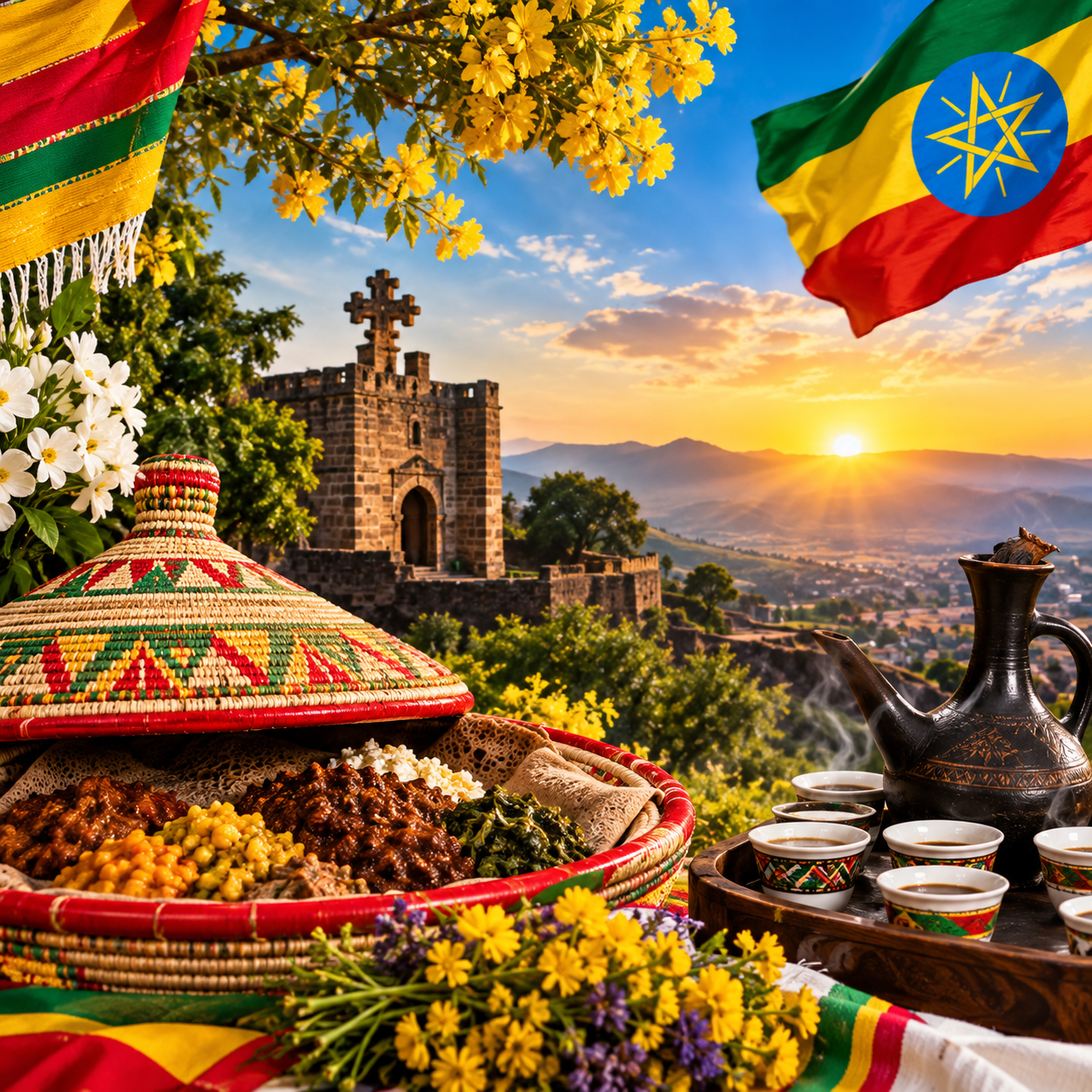
While much of the world remains in 2026, Ethiopia has turned the page to 2019, welcoming a new year through Enkutatash, one of the country’s most cherished cultural celebrations.
Known as Enkutatash, the Ethiopian New Year was celebrated on September 11, 2026, marking the beginning of 2019 according to the Ethiopian calendar. Across the country and among Ethiopian communities abroad, the occasion brought families and friends together for a celebration associated with renewal, gratitude and new beginnings.
ThriveAgric Raises $3.93M to Expand Nigeria’s Agricultural Supply Chain
Ethiopia’s calendar differs from the Gregorian calendar used by most countries. It is based on the ancient Ge’ez calendar and consists of 13 months: 12 months of 30 days each, followed by a shorter 13th month called Pagumen. The difference in the year numbering is also linked to an alternative calculation of the date of the birth of Jesus Christ, resulting in Ethiopia being several years behind the Gregorian calendar. The calendar remains an important part of the country’s cultural and historical identity.
Enkutatash also coincides with a period of seasonal transition. September marks the end of Ethiopia’s main rainy season, when landscapes across parts of the country become greener and the bright yellow Adey Abeba flowers begin to bloom. The flowers have become closely associated with the New Year and are often exchanged as symbols of happiness and fresh beginnings.
Celebrations vary between communities but commonly centre on family, food, music and cultural traditions. Families gather to share traditional meals, with dishes such as Doro Wat, a richly spiced chicken stew, often featuring in festive gatherings. Children are also an important part of the celebrations, with groups traditionally singing New Year songs and visiting homes while carrying or presenting the seasonal yellow flowers.
In some communities, bonfires known as Chibo form part of the festivities, creating a lively gathering point for families and neighbours. Traditional clothing, music and dancing can add to the atmosphere as communities welcome the new year together.
The celebration is also an opportunity for Ethiopians to reflect on the year that has passed and look toward the future. For families, the holiday can carry a deeply personal meaning, bringing generations together and reinforcing connections to Ethiopian culture and traditions.
Beyond Ethiopia’s borders, Enkutatash has become an important cultural moment for the Ethiopian diaspora. Communities around the world use the occasion to preserve traditions, share Ethiopian culture with younger generations and maintain connections with their heritage.
As Ethiopia begins 2019, Enkutatash offers a reminder that the passage of time can be understood in different ways across cultures. For millions of Ethiopians and people of Ethiopian heritage, the New Year represents more than a different date on the calendar. It is a celebration of identity, community, renewal and hope — values that continue to connect Ethiopians at home and around the world.