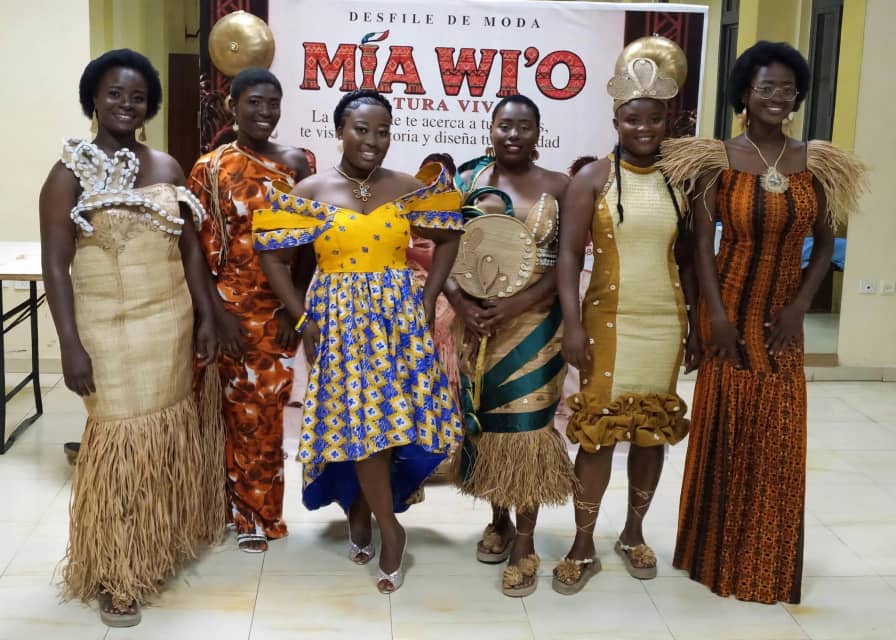
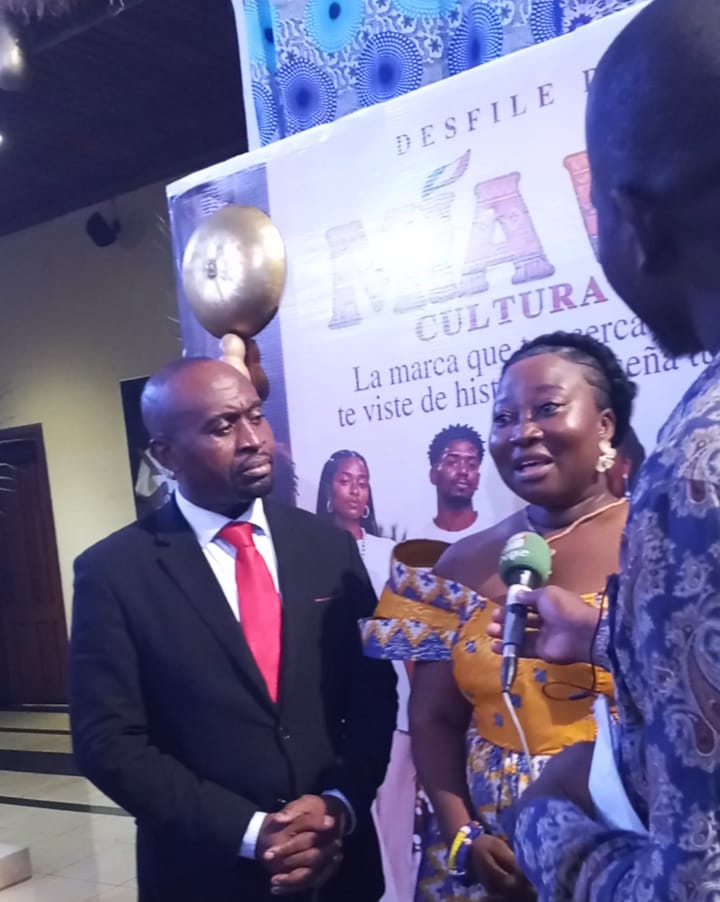
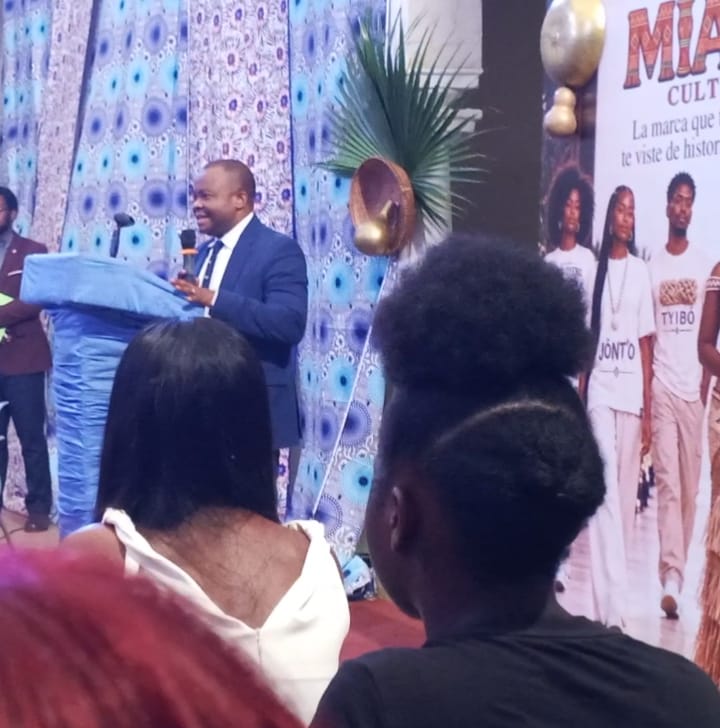
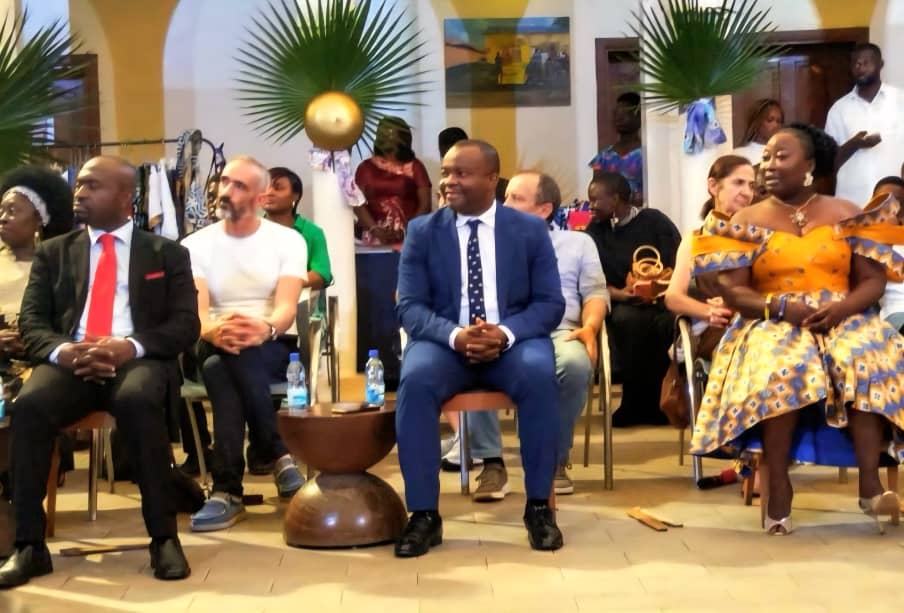
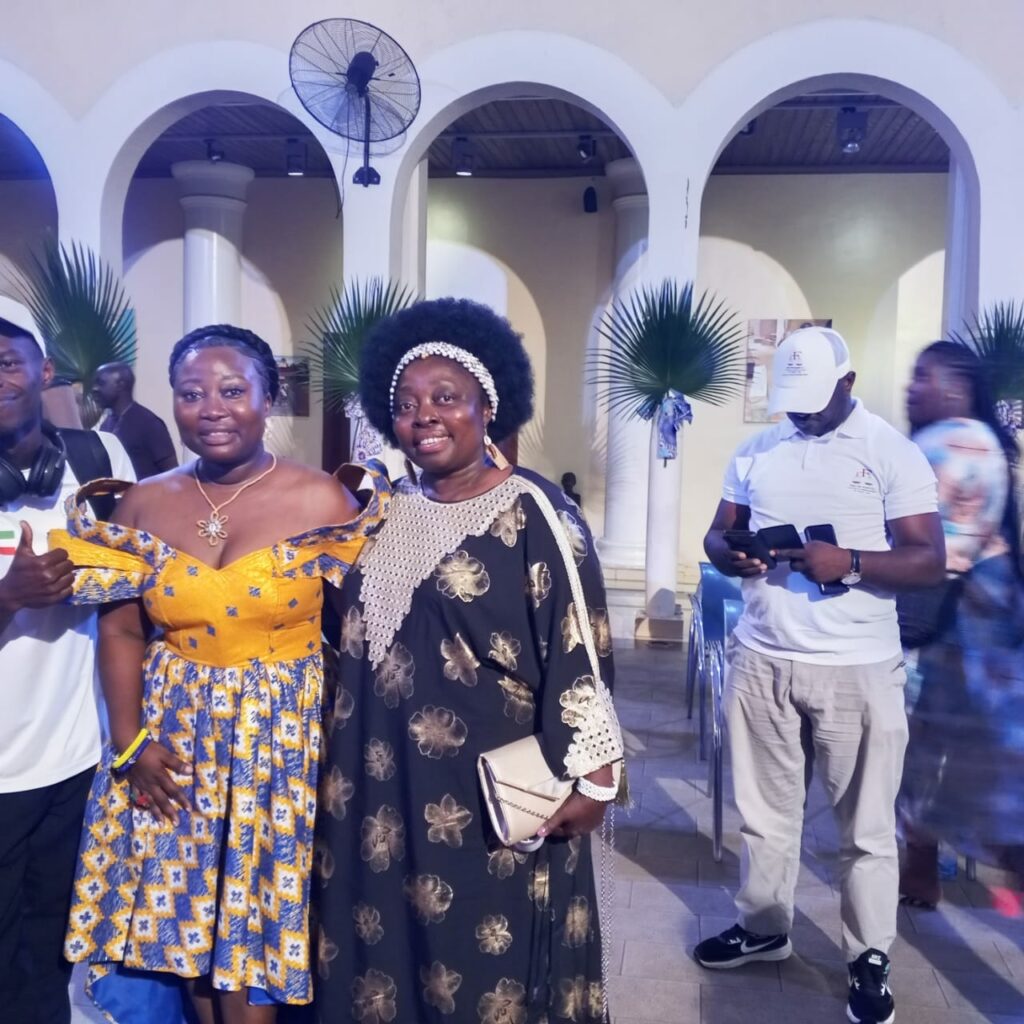
Equatorial Guinea’s cultural and creative scene welcomed a new initiative with the launch of MÍA WÍ’O CULTURA VIVA, a brand founded by Jelonny with a mission to preserve, celebrate and reinterpret the country’s cultural heritage through contemporary fashion. Held on the 17th, the launch brought together representatives from cultural institutions, the diplomatic community, the arts sector and other stakeholders, highlighting the growing role of creative initiatives in keeping national heritage visible and relevant to new generations.
Among the distinguished attendees were representatives of the Embassy of Spain, the Minister of Information, Press, Culture and Tourism, the Director General responsible for the promotion of cultural works, the Director General of the Equatorial Guinean Cultural Centre, and other invited guests. Their presence reflected the importance of initiatives that connect cultural preservation with artistic expression, innovation and the development of the creative industries.
At the heart of MÍA WÍ’O CULTURA VIVA is a clear message: “I am my identity, I am my brand.” The philosophy places cultural identity at the centre of personal expression, presenting heritage not as something confined to museums, archives or ceremonial occasions, but as a living part of everyday life. Through clothing and cultural articles, the brand seeks to encourage people to recognise, value and share the stories carried by the objects, symbols and traditions inherited from previous generations.
For Jelonny, the concept goes beyond fashion. MÍA WÍ’O CULTURA VIVA aims to give renewed visibility to objects that tell stories about who Equatorial Guineans are, where they come from and what connects communities to their past. By translating these cultural references into contemporary designs, the brand seeks to make heritage accessible and appealing to younger generations while creating opportunities for audiences beyond the country to discover Equatorial Guinea’s cultural richness.
The initiative draws inspiration from traditional objects, musical instruments, adornments, accessories and artisanal forms associated with the country’s diverse communities. Rather than treating these elements as simple decoration, MÍA WÍ’O CULTURA VIVA presents them as expressions of memory, knowledge, identity and belonging. Its approach combines African aesthetics with modern design, transforming recognisable cultural references into pieces intended to be worn and appreciated in contemporary settings.
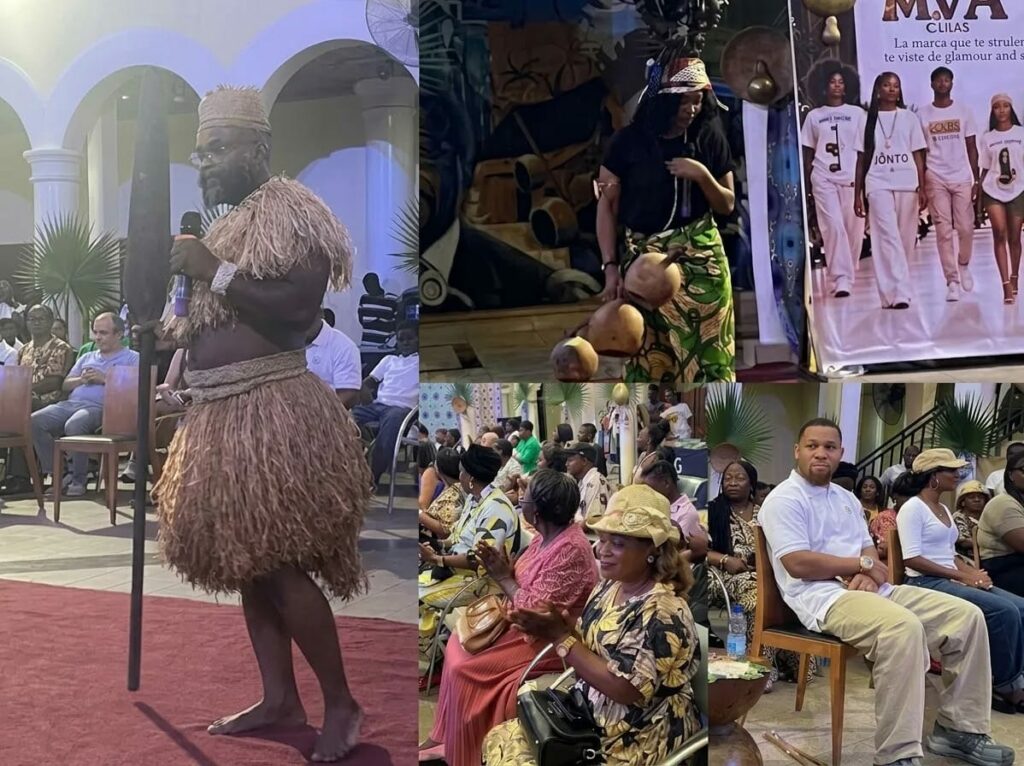
The brand’s collections reflect this commitment to cultural storytelling. TYIBÓ draws inspiration from a traditional Bubi bracelet, while KÖBBÍ takes its reference from the Bubi calabash. ÑANKUE celebrates a traditional figure associated with the Creole community, and NKUEIÑ is inspired by the traditional Fang basket carried on the back. JÔNT’O takes its visual identity from the traditional Fadambo necklace, while NVET OYENG draws on the traditional Fang musical instrument of the same name. The collection also includes MEKUYO, inspired by a traditional Ndowe figure.
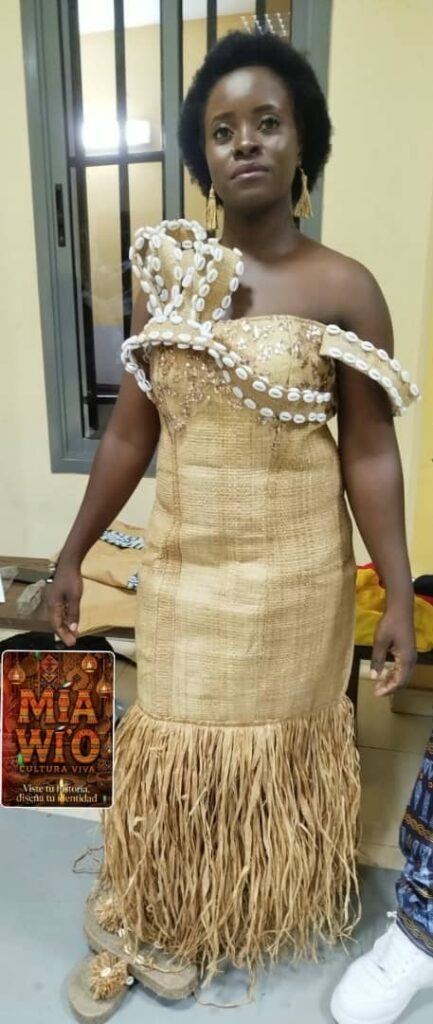
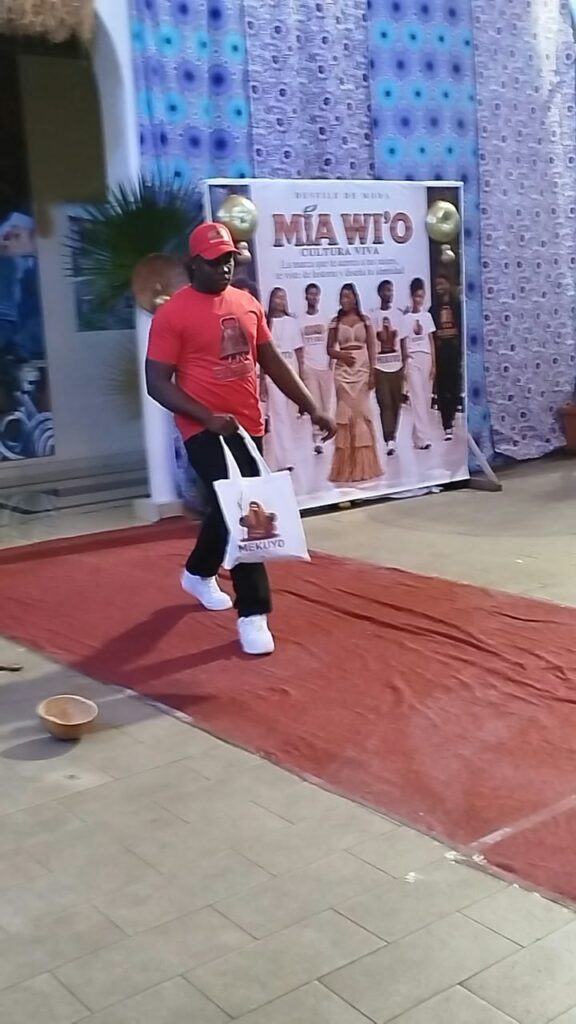
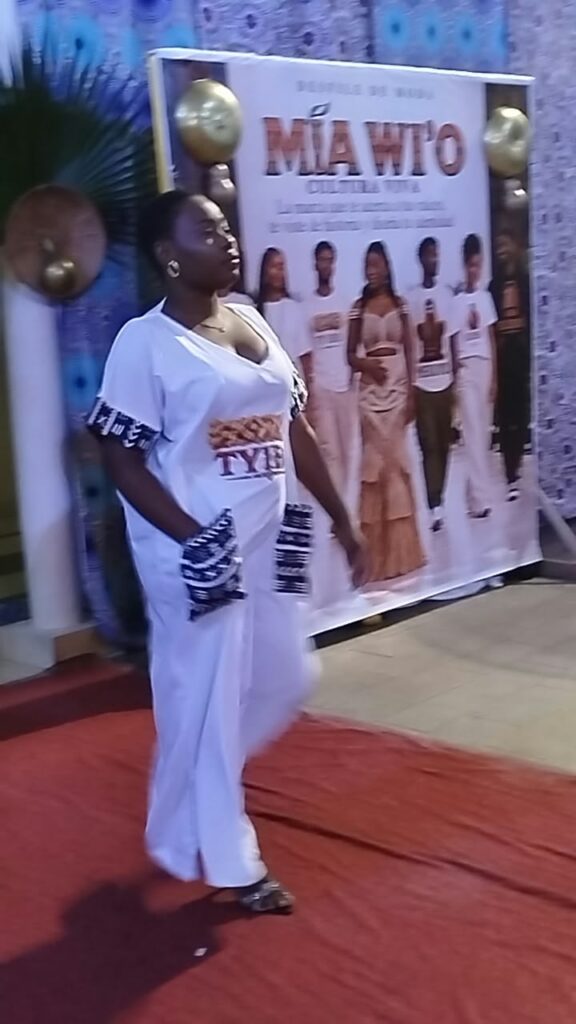
Each collection contributes to a wider cultural narrative, demonstrating how objects rooted in community life can become contemporary expressions of identity. By giving these references a place in modern fashion, the brand seeks to encourage people to ask questions about their origins, understand the meaning of inherited traditions and participate in their preservation.
Music and artistic expression formed an important part of the launch, reinforcing the relationship between cultural heritage and the people who keep it alive. The programme featured ADA, Piruchi Apo, ARMANY and BËSÁKKÓ, artists whose participation brought different dimensions of Equatorial Guinea’s creative landscape into the celebration.
ADA holds a distinctive place in the programme as the only woman who plays the Nvet Oyeng, a renowned traditional Fang instrument. Her participation offered a powerful connection between the brand’s visual reinterpretation of cultural heritage and the living practice of traditional music. The Nvet Oyeng is more than a musical instrument: it represents a cultural tradition whose continuity depends on the knowledge, commitment and participation of those who perform and transmit it.
The presence of Piruchi Apo, a legendary and highly respected artist in Equatorial Guinea, added further significance to the occasion. Widely regarded as an important figure in the country’s musical landscape, she represents a legacy of artistic expression that continues to inspire audiences and younger generations. She is also Jelonny’s aunt, bringing a personal family connection to an initiative centred on identity, heritage and the transmission of culture.
ARMANY, meanwhile, brings recognition from the Spanish Cultural Centre’s Mother Tongue Song Contest, which he won. His achievement highlights the role of music in celebrating linguistic identity and giving expression to the languages and cultural experiences that shape communities. Together with BËSÁKKÓ, the artists helped underline the importance of creative voices in ensuring that cultural traditions remain visible, valued and connected to contemporary audiences.
The launch also reflects a broader opportunity for Equatorial Guinea’s creative industries. Fashion, music, design and cultural production can serve not only as vehicles for artistic expression but also as ways to create economic opportunities, strengthen cultural visibility and introduce the country’s heritage to wider audiences. Initiatives that combine traditional knowledge with contemporary presentation can help establish new spaces for cultural entrepreneurship while encouraging the documentation and appreciation of local traditions.
For MÍA WÍ’O CULTURA VIVA, modernisation does not mean abandoning the past. Instead, the brand’s vision is to reinterpret heritage without erasing its origins, creating designs that are attractive, wearable and relevant while retaining the cultural significance of the references that inspire them. This balance is central to its ambition to make culture visible, desirable and accessible without losing the identity that gives it meaning.
The brand’s message also speaks to the relationship between local communities and international audiences. Its cultural references are intended first to help people at home remain connected to their roots, while also inviting visitors and the wider world to learn about the histories, symbols and traditions of Equatorial Guinea. In this sense, fashion becomes a form of cultural communication, capable of telling stories across generations and borders.
As MÍA WÍ’O CULTURA VIVA begins its journey, its launch represents an invitation to reconsider how heritage is preserved and experienced. Traditional objects and symbols can remain part of contemporary life when they are understood, respected and given new forms of expression. Through its collections and its connection to the country’s artistic community, the brand seeks to turn that principle into a visible practice.
Ultimately, “I am my identity, I am my brand” expresses the heart of Jelonny’s vision: culture is not only something people inherit; it is something they carry, express and help shape for the future. By bringing ancestral references into contemporary fashion, MÍA WÍ’O CULTURA VIVA aims to ensure that the stories of Equatorial Guinea are not simply remembered, but lived, worn and shared with the world.