
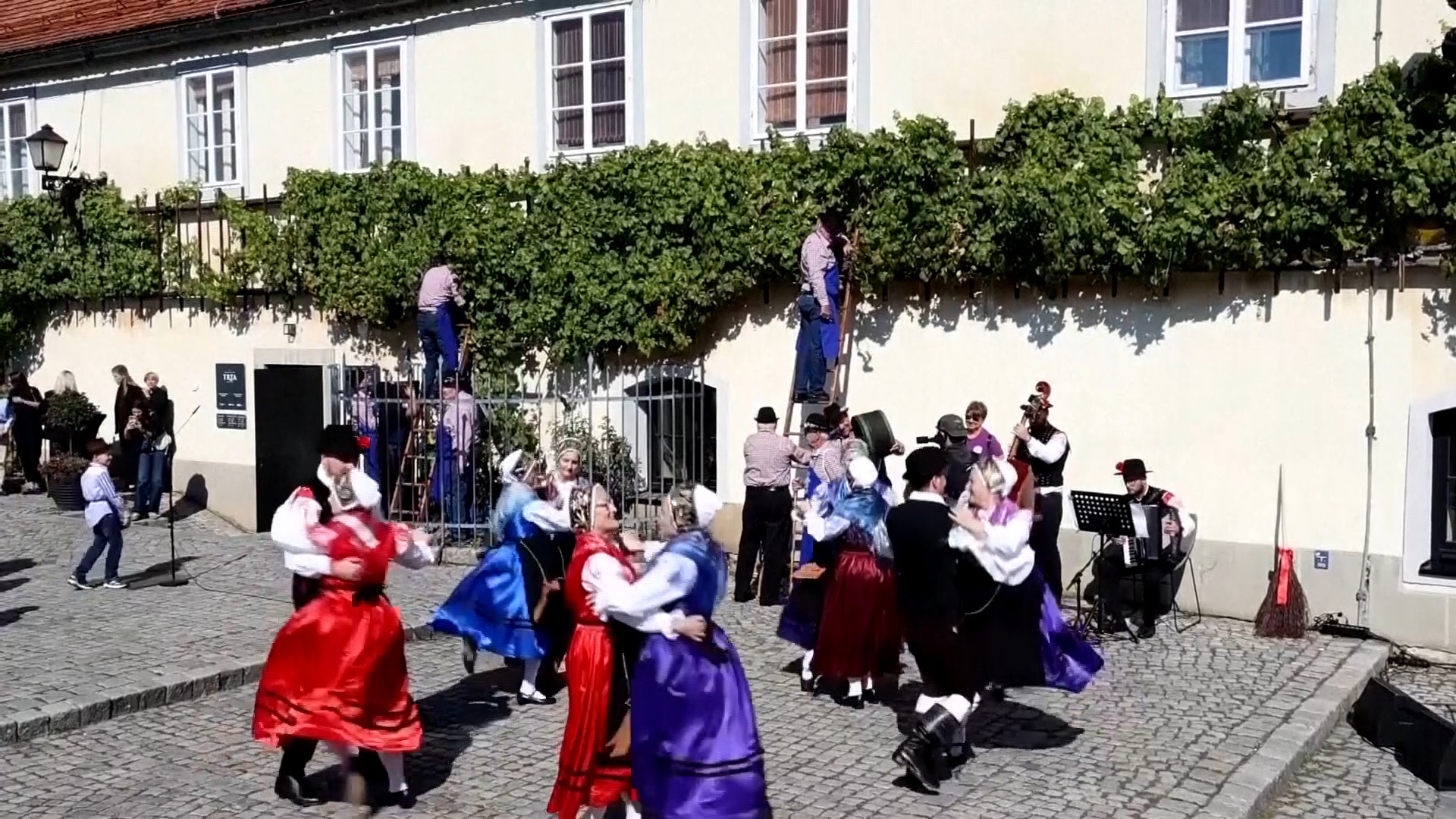
Slovenia’s city of Maribor has celebrated another harvest from the world’s oldest grapevine still producing fruit, a centuries-old plant that has survived wars, fires, disease and major changes to the surrounding landscape.
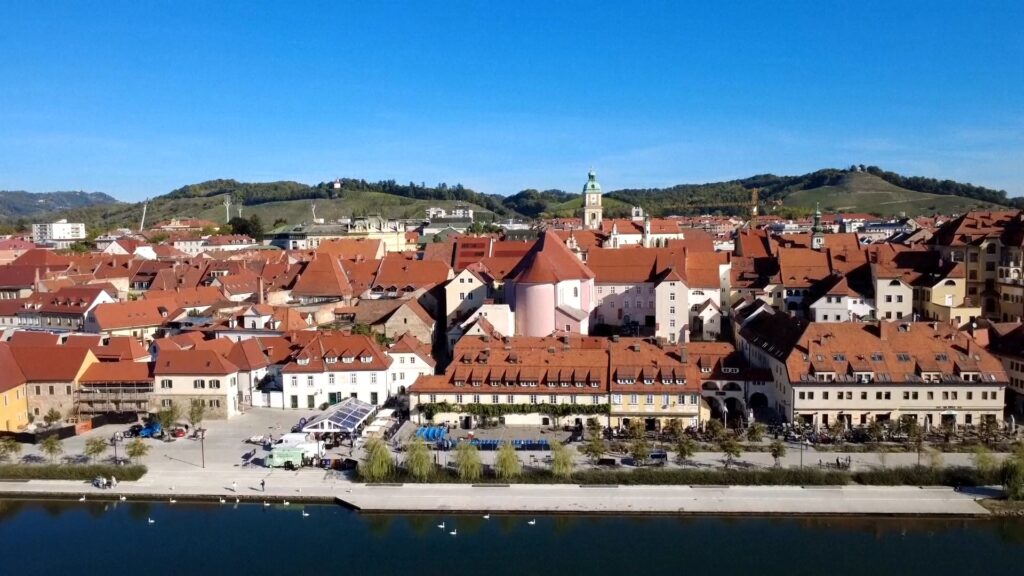
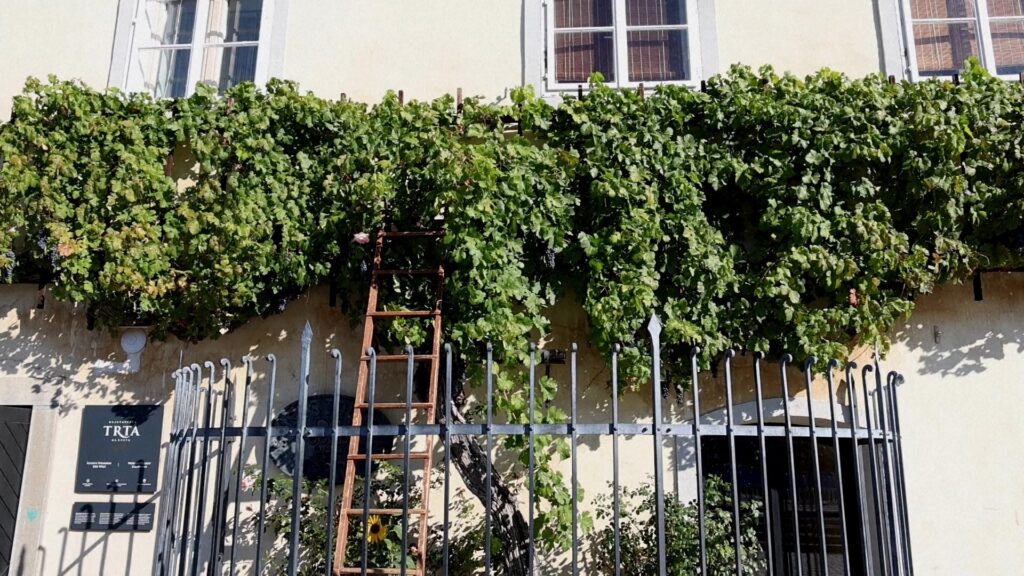
Known locally as the Old Vine, the grapevine grows beside the Drava River on the façade of a historic house in central Maribor. It was planted in the second half of the 16th century and was already established when the site appeared in an image dating from 1657.
The vine belongs to Žametovka, also known as Modra kavčina, one of Slovenia’s oldest domesticated grape varieties. Its exceptional age was confirmed by researchers during the 20th century, and Guinness World Records recognized it in 2004 as the world’s oldest grapevine still producing fruit.
Herbert Mensah Joins ACG Board to Boost Africa’s Sports Economy
Every year, the plant develops new shoots, leaves and grape clusters, which are harvested by hand and processed into a small quantity of wine. This year’s harvest marked the 40th ceremonial celebration dedicated to the tradition. Former football referee Slavko Vinčić was given the honor of cutting the first cluster before Maribor’s mayor tasted the fruit and the wider harvesting ceremony began.
The annual production is modest compared with commercial vineyards. In a typical year, the Old Vine produces between 35 and 55 kilograms of grapes, enough for roughly 100 quarter-liter bottles of wine.
The limited production gives the wine a symbolic value far beyond its volume. Specially designed bottles are presented as ceremonial and diplomatic gifts, while the annual harvest has developed into a celebration of Maribor’s wine culture and local traditions.
The vine’s survival is particularly remarkable because it has endured several threats over the centuries. It was already growing when Maribor was a fortified town facing the Ottoman threat, and the building supporting it once formed part of the city’s defensive structures.
The plant survived repeated fires, the devastating phylloxera epidemic that swept through European vineyards in the late 19th century and the destruction caused by Allied bombing during World War II.
Its survival was challenged again after a dam was constructed on the Drava in 1963, changing water levels around its root system. By the 1970s, the vine and surrounding riverfront had deteriorated significantly.
Agricultural specialists subsequently removed dead growth and carefully pruned the surviving plant. Restoration work in the early 1980s helped preserve both the vine and the historic building.This year’s harvest also highlighted the impact of unusually high temperatures. The grapes reached high sugar levels considerably earlier than historical records would normally indicate.
Stane Kocutar, who monitors and cares for the vine, compared the 2026 measurements with records from previous decades. He said that on August 13, the grapes had reached sugar levels comparable to those recorded at the October 2 harvest in 1987. Despite the summer heat, the vine produced a successful crop. Its deep root system near the Drava River may help it access moisture below the surface, supporting the plant through periods of intense heat.
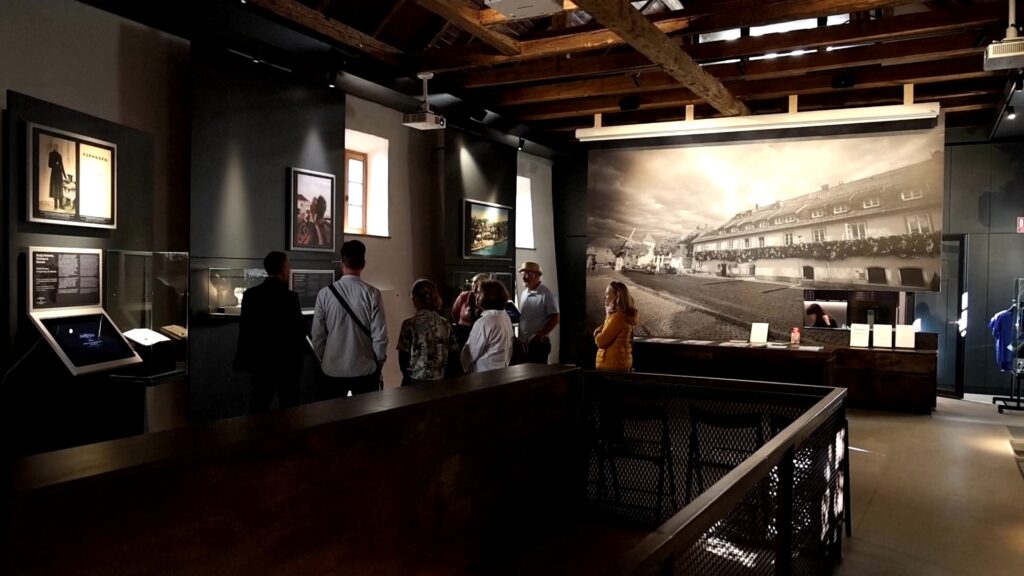
The Old Vine also represents the long history of winemaking in the region. Records cited by Maribor’s Oldest Vine Museum trace viticulture in the area back to at least the 11th century, while a cellar master serving the regional ruler was documented as early as 1353.
Maribor later became an important wine center, hosting the first international viticultural congress in the Austro-Hungarian Empire in 1876. Today, descendants of the Old Vine grow in other parts of Slovenia and beyond, following the distribution of cuttings from the historic plant. A museum beside the vine documents its history and the generations of people who have helped preserve it.
The city also appoints a wine queen to promote Maribor and the surrounding Styrian wine region. Natalija Ploj, the 14th holder of the title, said the role allows her to represent the region’s winemaking traditions.
After more than four centuries, the Old Vine remains a living connection between Maribor’s past and present. Its continued harvest demonstrates how agricultural traditions can survive across generations while becoming an important part of cultural identity and tourism.