
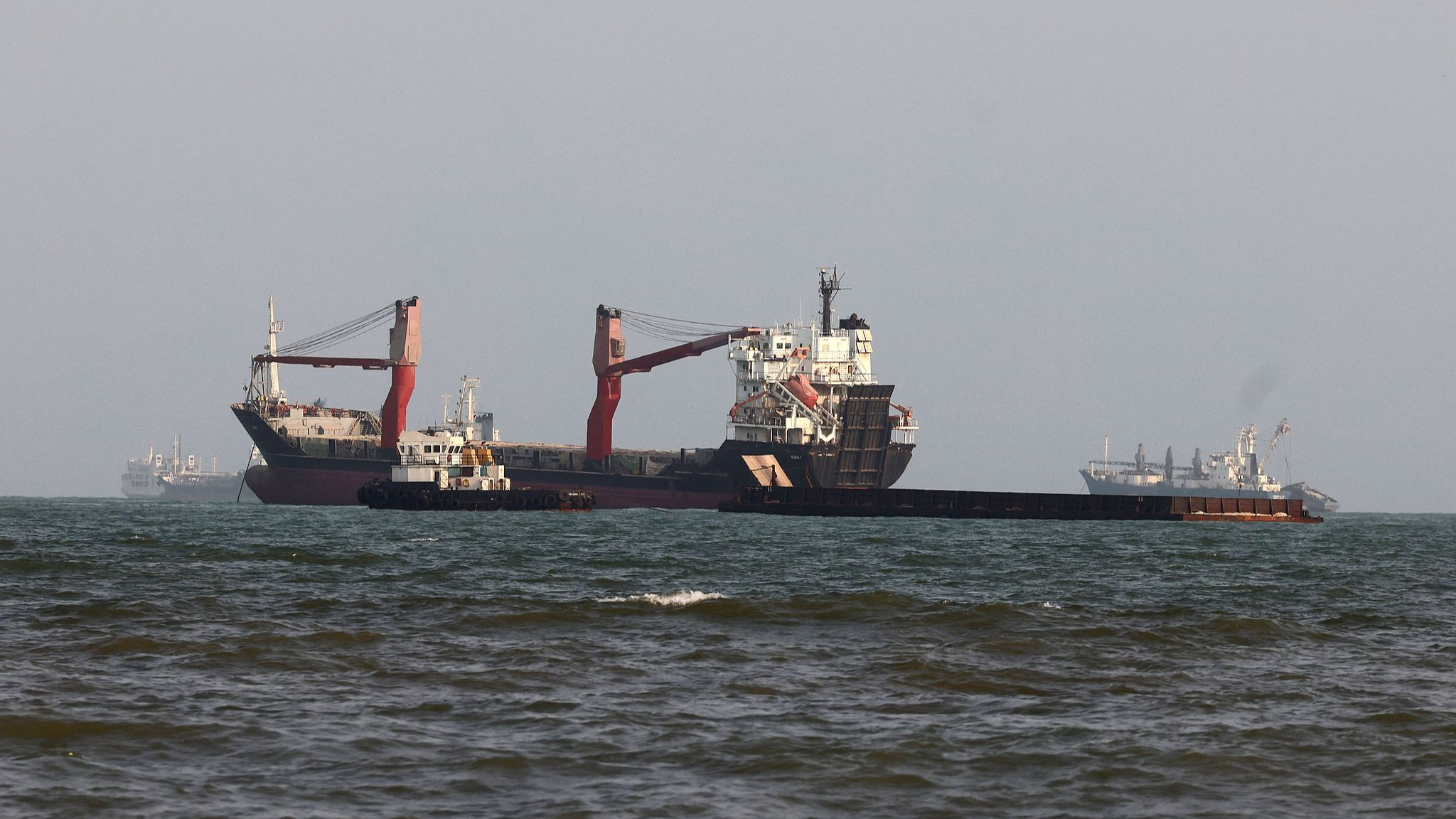
Commercial shipping through the Strait of Hormuz slowed to near-standstill levels over the weekend following attacks on tankers and a lack of progress in talks between the United States and Iran aimed at easing the wider Middle East conflict.
Data from maritime tracking company Kpler showed that only five commodity vessels passed through the strategic waterway on Saturday, while no such transits were recorded on Sunday. The figure compares with 31 commodity vessels recorded during the previous weekend, highlighting the sharp decline in maritime activity.
China’s Animation Industry Takes Global Stage Beyond Ne Zha
Among the vessels recorded passing through the strait on Saturday was an empty Very Large Crude Carrier whose automatic identification system was switched off, as well as an Indian-flagged Very Large Gas Carrier that used the Iranian route. A smaller tanker carrying Iranian fuel oil was also recorded exiting the waterway.
The slowdown followed reports that vessels operated by the United Arab Emirates’ state-owned Abu Dhabi National Oil Company were attacked while transiting the strait. The incidents have added to concerns among shipping companies and energy traders over the safety of one of the world’s most important maritime corridors.
The Strait of Hormuz is a critical route for global energy supplies, carrying roughly one-fifth of the world’s oil and liquefied natural gas shipments before the current conflict disrupted regional trade. Shipping activity is now far below the more than 130 vessels a day that had been recorded transiting the waterway before the conflict escalated in February.
Iranian Foreign Minister Abbas Araghchi has said that Washington must meet Tehran’s conditions concerning the strait before normal shipping can resume. Meanwhile, the United States has indicated that its navy has the capacity to maintain a blockade of Iran for an extended period, further increasing uncertainty for international shipping operators.
The disruption is also affecting other regional maritime routes. Kpler data showed 49 commodity-vessel transits through the Bab el-Mandeb Strait over the weekend, compared with 55 the previous week, while no Saudi oil shipments were recorded during the period.
The developments are being closely watched by global energy markets because prolonged disruption around the Strait of Hormuz could affect oil and gas supplies, shipping costs and energy prices. Oil prices rose modestly on Monday as stalled U.S.-Iran diplomacy and reduced shipping activity increased concerns over geopolitical risks.
The sharp decline in vessel movements underscores the growing pressure on international trade as shipping companies weigh security risks against the importance of maintaining access to the Gulf’s major energy-export routes.